
What is a Coronavirus?
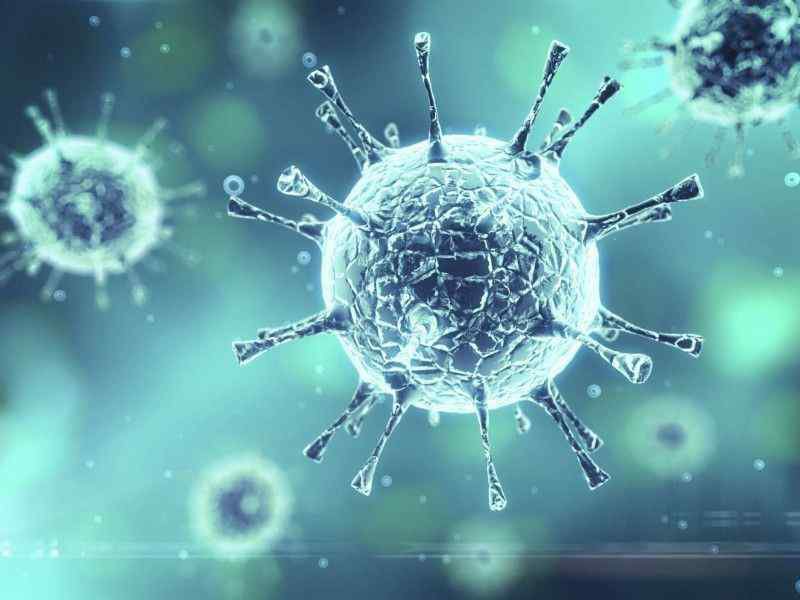
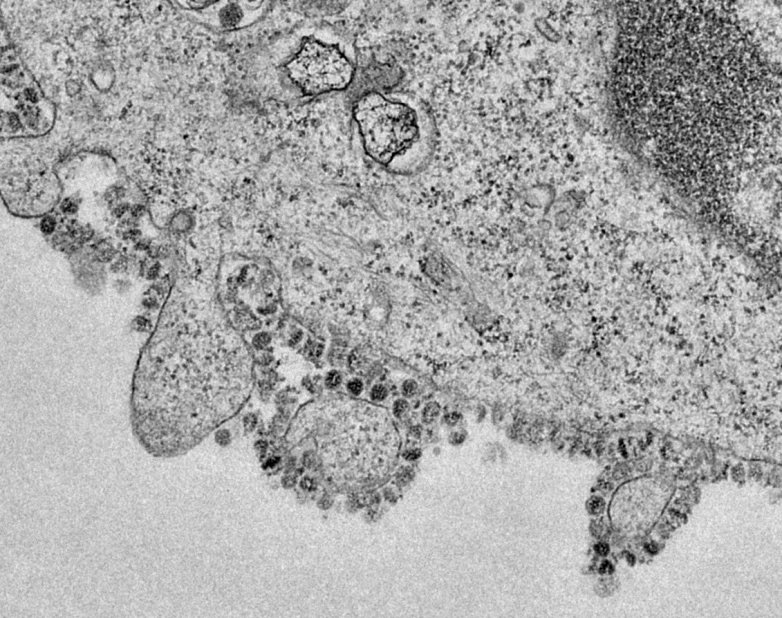
Canine Coronavirus (CCoV) is a highly contagious intestinal infection. Originally identified in 1971, the virus usually produces mild gastroenteritis in infected dogs. It comes from the Coronaviridae family. The virus, when viewed with a microscope, looks like a crown with ornaments fixed on a metal ring. There are several strains of coronavirus, each affecting different animals including humans.
“Canine Coronavirus (CCoV) is not the same as SARS-CoV-2 that causes the novel coronavirus (COVID-19).”
CCoV does not affect people. CCoV causes gastrointestinal problems in dogs as opposed to respiratory disease.
How is Canine Coronavirus Transmitted?
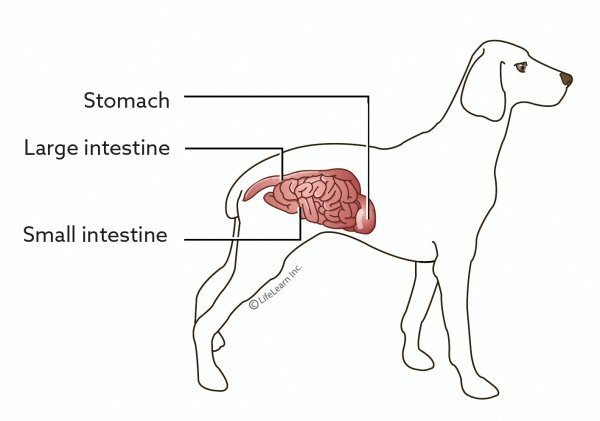
Canine Coronavirus typically is passed by oral secretions like saliva or infected fecal matter, infected bowls or direct contact with infected dogs. Places like shelters, boarding kennels, puppy mills, dog parks, and doggie daycares to name a few are good places were coronavirus can be transmitted, and the incubation period is from one to four days. Illness can last from just a couple days to ten days in most dogs. It can also survive outdoors at freezing temperatures. Viral strains can remain in the body and shed for up to six months.
Transmitted By:
- Oral Secretions
- Infected Fecal Matter
- Infected Bowls
- Contact with Infected Dogs
Spread By:
- Shelters
- Boarding Kennels
- Puppy Mills/Breeding Kennels
- Dog Parks
- Doggie Day Cares
- Groomers Facilities
‘Life Span’
- Incubation Period: 1-4 Days
- The illness lasts up to 10 days
- Can survive outdoors at freezing temperatures
- Can remain in the body and shed for 6 months

Symptoms
The symptoms vary depending on the strain and dog. Some dogs may present with no symptoms at all, owners might not even know they have it at all. Others may present with vomiting, explosive diarrhea, fever though rare, anorexia and depression. Some may appear with mild respiratory problems. Puppies are most at risk and may exhibit acute cases of dehydration and diarrhea. Severe enteritis may occasionally result in death.
- Some may present with no symptoms
- Vomiting
- Depression
- Fever- rare
- Explosive Diarrhea
- Anorexia
- Enteritis (inflammation of the small intestine)

Diagnosis
Tests that may be used are:
- Fecal Antigen Test: tests fecal samples to check for parvovirus
- Fecal Floatation: a test used to look for parasites- solution added to the sample causes the fecal to sink and parasites to rise to the top
- Radiographs: to check for blockages in the intestines, which may cause diarrhea
- CBC ( complete blood count): measures the amount of red and white blood cells- checks functions of different organs
Treatment
Treatment is more successful when the animal is treated immediately. The vet may recommend withholding food from your pet for 24 hours after diarrhea stops. Than slowly feed small amounts of food at a time. There is no direct medication to treat canine coronavirus. Meditation to treat symptoms and IVs to treat dehydration may be administered.
Prevention
Follow your veterinatians suggested vaccination schedule. Vaccination options are as follows:
- Nobivac® Canine 1-DAPPV+CV

- Nobivac® Canine 1-DAPPVL2
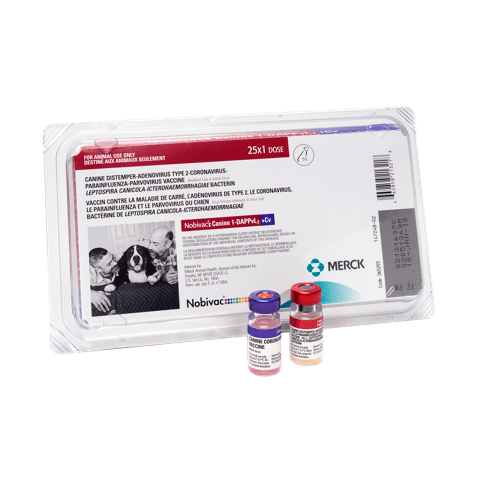
- Nobivac® Canine 1-CV
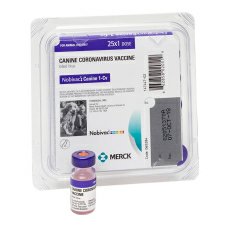
CCoV vaccines do not treat or prevent COVID-19 in humans.
Sources:
Buonavoglia, Canio et al. “Canine coronavirus highly pathogenic for dogs.” Emerging infectious diseases vol. 12,3 (2006): 492-4. doi:10.3201/eid1203.050839
https://m.petmd.com/dog/conditions/digestive/c_dg_canine_coronavirus_infection
https://www.petassure.com/education/dog-disease/canine-coronavirus-insurance/
https://vcahospitals.com/know-your-pet/coronavirus-disease-in-dogs
https://www.merck-animal-health-usa.com/dp/4
 The Cognitive Dog
Leave a comment